* Convergence and VoIP at UCSF Medical Center
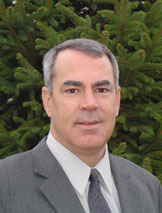
Today, we’ll pick up where we left off last time with the University of California, San Francisco Medical Center’s experience with VoIP. Our overview is based on a conversation with David Sproul, manager of emerging technologies and capital projects at the UCSF Medical Center. The center chose a Siemens-supplied HiPath 4000 Real-Time IP Systems to provide a premises-based, converged voice and data platform.
Editor’s Note: We’d like to let you know that starting Nov. 6, this newsletter will be renamed Network World’s Convergence & VoIP Newsletter. The name change will better reflect the focus of this newsletter, which we hope you will continue to enjoy. Thanks for reading.
Today, we’ll pick up where we left off last time with the University of California, San Francisco Medical Center’s experience with VoIP. Our overview is based on a conversation with David Sproul, manager of emerging technologies and capital projects at the UCSF Medical Center. The center chose a Siemens-supplied HiPath 4000 Real-Time IP Systems to provide a premises-based, converged voice and data platform.
When asked about why the medical center selected a premises-based solution vs. a hosted one, Sproul gave two reasons: “Cost, but the bigger thing was the [need for] response times that affect our excellent service.” He cited one example where the center needed to move a whole inpatient unit within four hours, observing that this kind of a move mandated that his staff be very responsive yet keep costs to a minimum. A premises-based solution allowed the staff to offer “the highest level of service for the least amount of money.”
As for concerns about VoIP call quality, Sproul observed that, “In patient care, voice quality is VERY critical, but we’re comfortable enough now with the stability of VoIP to move VoIP into patient care.” Addressing the need for security and patient confidentiality, Sproul said: “Our security group has tested the [technology] and is very comfortable with voice and data security over the VoIP and the wireless networks.”
Another problem that the HiPath 4000 system helped solve was the need for physical space – an acute issue in the medical center. Both the physical footprint of the system and the distributed nature of the platform afforded flexibility to accommodate limited space.
Our summary: VoIP is serving the needs of UCSF with cost savings, added flexibility, and is helping improve the Medical Center’s patient service quality.
Next time, we’ll summarize the observations made in the last few weeks by suppliers and customers and include our own analysis on the state of convergence macro-trends.