
At some point strong encryption will die without calm discussion of the pros and cons
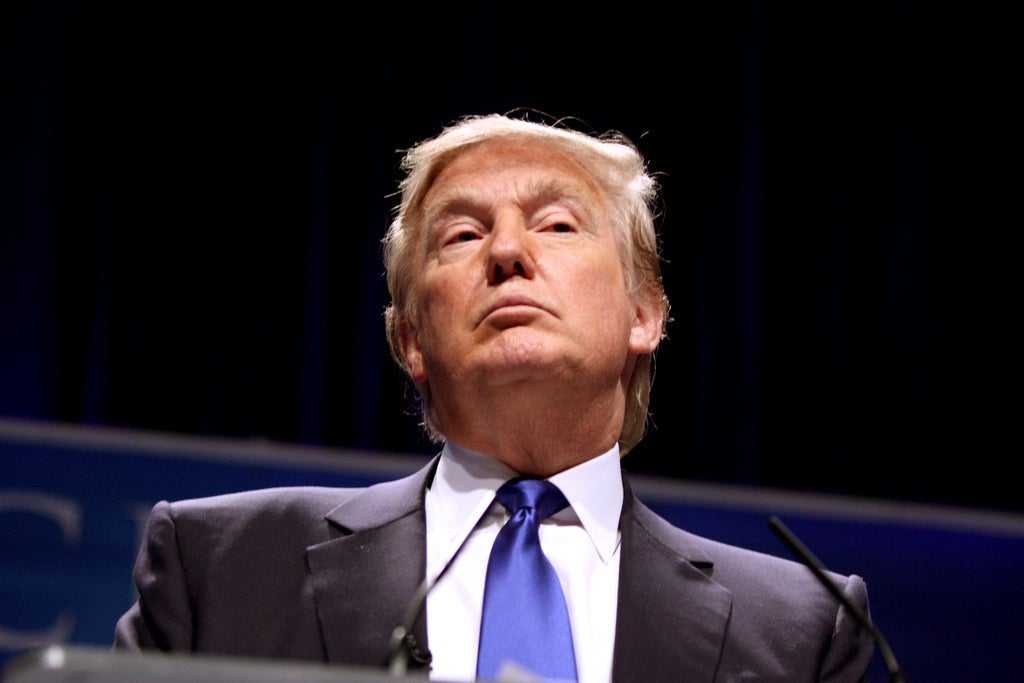
It looks like the Donald Trump administration is interested in encryption backdoors, but, like his predecessor’s, so far it has fallen short of coming out for them or against them.
Trump himself famously urged a boycott of Apple for refusing to help the FBI crack an iPhone used by the terrorist who attacked in San Bernardino, Calif., which indicated he favored backdoors. But that was last year.
The latest comes from Sen. Jeff Sessions, Trump’s nominee for attorney general, who says he favors strong encryption but also favors law enforcement being able to “overcome encryption” when necessary.
What the politicians don’t grasp is that it’s a black and white decision; you either have strong encryption or you don’t. The fact is backdoors undermine strong encryption.
What Sessions says is this: “Encryption serves many valuable and important purposes. It is also critical, however, that national security and criminal investigators be able to overcome encryption, under lawful authority, when necessary to the furtherance of national-security and criminal investigations.”
What he fails to say is that you can’t have both, and that is something that others who favor backdoors also fail to say.
FBI Director James Comey, who would work for Sessions if Sessions is confirmed, tippy-toes around the issue by saying he doesn’t demand backdoors. What he wants encryption product makers to be able to comply with court orders to decrypt communications encrypted by their gear. Which means they’ll need a backdoor. Not using the word doesn’t mean there wouldn’t be a backdoor.
Barack Obama walked a similar line, avoiding the term backdoor and posing the problem without answering it. “If technologically it is possible to make an impenetrable device or system where the encryption is so strong that there is no key, there’s no door at all, then how do we apprehend the child pornographer, how do we solve or disrupt a terrorist plot?”
The answer is you can’t. But encryption backdoors have costs: endangering trust in online commerce, putting intellectual property at risk, removing a tool used by political dissidents and undermining everybody’s privacy.
At some point politicians have to answer honestly the question Obama asks. Is catching the pornographers and terrorists worth the price that all the legitimate users of encryption will have to pay? The answer may be yes or may be no, but these decision makers have to make this hard decision, and it’s not a technology question.
At some point a case will arise where a bad actor will carry out a deed that could have been prevented if only their communication could have been decrypted, and in the wake of that politicians will enact the backdoors.
Those who want to preserve strong encryption need to speak honestly about its benefits and do it now. Because in the heat of that coming moment, unless the public has been educated about the issue in calmer environment, instead of being a slim chance that strong encryption will be preserved, there will be none.





