Bring on more robots and self-driving cars to help the tech firms make money.
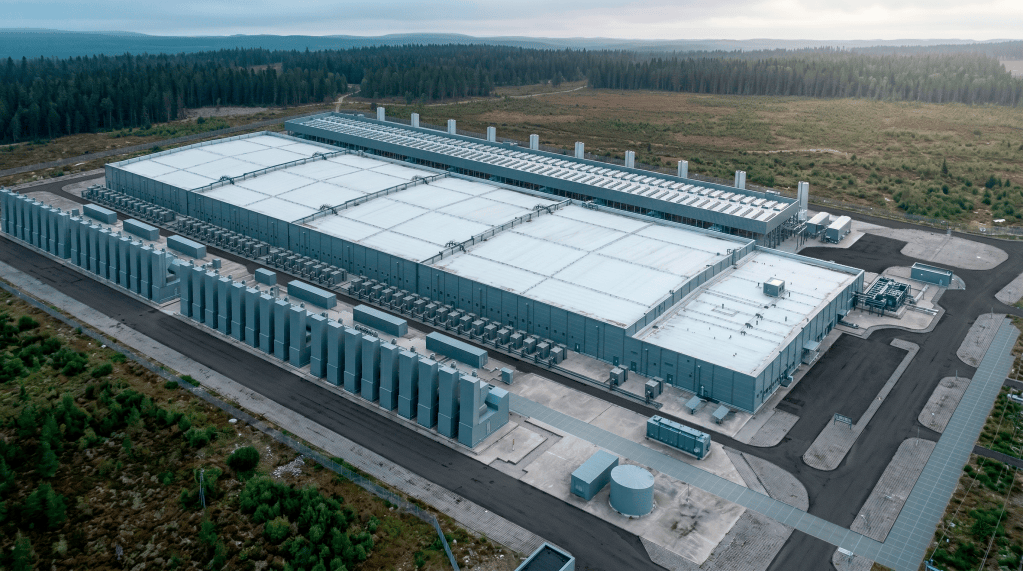
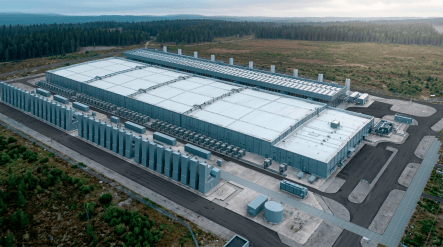
Hyperscalers are rushing to build more data centers to run AI workloads — but will the AI industry ever generate enough revenue to pay for that infrastructure?
Researchers at Bain and Company have looked into this and concluded that productivity gains from existing AI services are not enough to justify the money being pumped in: AI companies and the hyperscalers that power them will need to create brand new markets for their services.
Bain said the “arms race” among hyperscalers is accelerating to the extent that their capital expenditures could reach $780 billion in 2026, a fivefold increase in three years. And, it estimates, annual spending on AI infrastructure could reach $1.5 trillion by 2031.
Making the assumption that hyperscalers’ capital expenditure amounts to about 25% of revenue, they would need the AI market to be worth $6 trillion annually.
But, said Bain, the current consumer and enterprise AI markets together could be worth up to $1.8 trillion by 2031, leaving a whopping $4.2 trillion still to find from new markets.
Bain highlighted four potential areas: the use of AI in search; the development of more autonomous vehicles, including drones; physical AI, including digital twins and robotics; and new product development, for example, breakthroughs in pharmaceuticals.