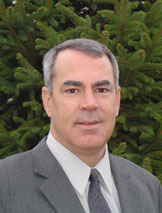
* More thoughts from FCC Commissioner Jonathan Adelstein
Last week, we had had the chance to hear from FCC Commissioner Jonathan Adelstein at a TelecomHUB event. In addition to reporting on the E-911 service ruling the FCC passed just hours before he spoke, the commissioner also had some other insights on what the FCC needs to do to support ubiquitous broadband, on issues with the current system for funding universal service, and on how decisions expected soon from the U.S. Supreme Court will affect advanced services pricing and service reach.
Adelstein noted the U.S. is now 16th in per-capita broadband subscriptions and he believed that regulatory agencies, technologists, and service providers need to work together to make broadband more widely available. He was very bullish on using both licensed and unlicensed spectrum to increase broadband’s reach, especially in rural areas.
When asked if he thought UHF frequencies could be used to increase available spectrum, he said that Congress would need to address the issue because re-assigning the spectrum could deny millions of television subscribers access to broadcast TV. He said that while reassigning UHF might be possible if the spectrum were sold and profits used to re-supply TV access to UHF services, the issue would not be easily addressed.
Adelstein said the Universal Service Fund (USF) rates have gone from 3% to today’s 11% because the fund is supplied from tax on interstate long distance, and this gross service revenue has been in steady decline.
Adelstein also predicted that cases pending in the U.S. Supreme Court would help both Congress and the FCC make some important decisions about how voice services and information services might be defined in a converged world. Depending on how the court rules, the decision may either complicate or hasten resolution of key issues like USF tax structures and the requirement for local franchises licenses to offer IPTV.