The dual-architecture mainframe processor will be able to run Arm and IBM Z instructions in the same cores, which will allow software that was built for Arm to run on a mainframe without first being ported.
IBM announced its first dual-architecture mainframe processor that’s designed to allow enterprises to run Arm-native Linux environments alongside z/OS and existing Linux applications on IBM Z.
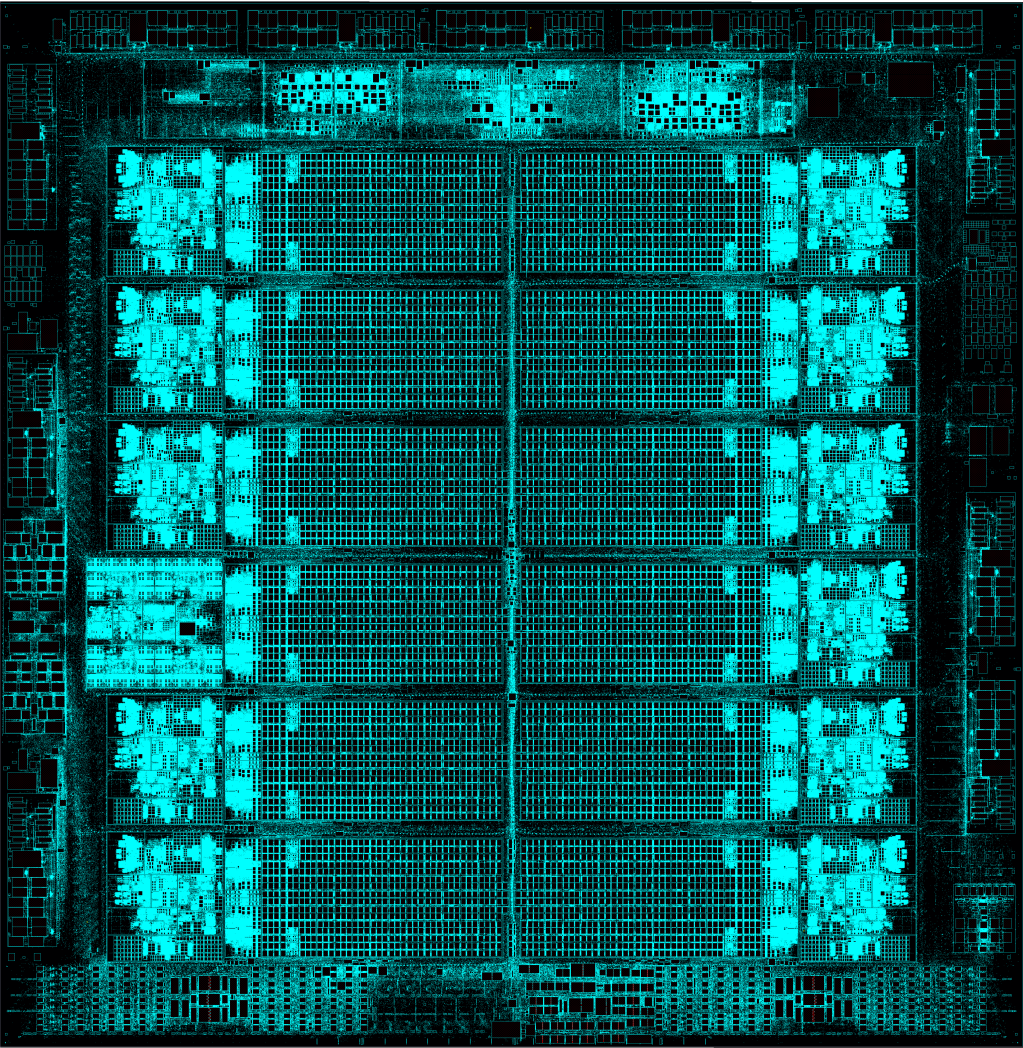
The vendors introduced the new processor at the Hot Chips 2026 conference. The 11-core, 5.7 GHz chip is architected to not contain separate Arm and IBM cores: Each processor core can natively execute Arm and IBM Z, or Arm and LinuxONE, instructions concurrently, according to IBM.
While the IBM mainframe software development community is substantial in its own right, the Arm software development environment includes over 22 million developers worldwide, according to Arm. And it is this software ecosystem IBM hopes to tap into to give mainframe customers access to a broad and growing range of applications from cloud to edge, including the cloud-native and AI software, said Christian Jacobi, IBM Fellow and CTO of IBM systems development, in a briefing session.
“This is not putting two different core types onto the same chip or some type of emulation, but rather integration of the Arm Instruction Set Architecture (ISA) directly into the mainframe cores. By doing that, clients can run a broader range of applications closer to their critical data transactions and AI workloads, reducing complexity while increasing flexibility and deployment choice.”
“As more cloud and AI software is created and optimized for Arm, the new processor gives enterprises another way to benefit from those capabilities – expanding access to modern software without requiring customers to move critical workloads elsewhere,” wrote Mohamed Awad, executive vice president of Arm’s Cloud AI business unit, in a blog post about the news.
Each of the 11 cores on the chip will be able to execute both types of software, and they will be able to dynamically switch within nanoseconds between the different modes of operation and have access to a total of 3.5 gigabytes of cache.
“These caches have enormously low latency, and that is one of the key reasons and key engineering choices to support the performance and scalability of enterprise workloads, very data-intensive workloads like databases and transactions,” Jacobi said. “In addition, we have an on-chip data processing unit for IO acceleration and dedicated AI accelerators as well as accelerators for data compression, cryptography and data sorting.”
One of the biggest takeaways from this processor announcement is that the enormous catalog of software already built for Arm becomes accessible on a mainframe without anyone having to port it first, notes Matt Kimball, senior datacenter analyst at Moor Insights & Strategy, in a research note about the news.
Still, “this is a 2027 conversation, and with no date, supported software list, or Arm licensing treatment, the work now is inventory and scenario planning rather than financial modeling,” Kimball wrote.
“The bigger opportunity is one IBM hasn’t claimed directly. As AI moves into enterprise operations, IT organizations increasingly want to view their infrastructure as a single estate and place workloads based on what each needs, rather than on which platform happens to run the software. The mainframe has always been the exception, a separate island with its own handling, its own skills, and its own version of every tool. Running the same Arm software the rest of the estate runs, next to the data that matters most, is the first credible step toward the mainframe being just another place a workload can land,” Kimball wrote.
The dual-personality mainframe chip is the first substantial fruit from a relationship the companies announced in April, when they shared their plans to develop hardware that can run both IBM and Arm-based workloads and to let Arm software run on IBM mainframes. At the time, the vendors said they would be working on three things: building virtualization tools so Arm software can run on IBM platforms; making sure Arm applications meet the security and data residency rules that regulated industries must follow; and creating common technology layers so enterprises have more software options across both platforms.